Winter Hiking in the Adirondacks (Dec–April): Safety, Gear & Spine-Smart Tips
Winter hiking inside the Adirondack Park is breathtaking — snow-capped peaks, frozen waterfalls, and silent forests — but it’s also one of the most physically demanding winter activities.
Why Winter Hiking Hits the Body Differently
-
Heavier gear
-
Uneven snowpack
-
Cold-tightened muscles
-
Higher cardiovascular demand
-
Slippery descents that overload the hips and spine
This combination increases the risk of:
-
Low back strains
-
Ankle sprains
-
Sciatic nerve irritation
-
Knee compression
-
Neck strain from heavy packs
Biggest Winter Hiking Mistakes in the ADKs
-
Leaving too late in the day
-
Wearing cotton
-
Not using traction early enough
-
Overpacking
-
Underestimating icy descents
Descent injuries double in winter — quads fatigue, core tires out, and slips happen.
How to Hike Safely from December–April
1. Layer the Right Way
-
Wool base
-
Fleece mid
-
Windproof shell
Avoid sweating — moisture = hypothermia risk.
2. Microspikes Are Mandatory
If there’s snow on the trail, assume there’s ice under it.
3. Short Steps, Strong Core
This reduces spinal compression and prevents slips.
4. Use Poles
They reduce knee load by 25–30%.
5. Warm Up Before You Leave the Car
Hip swings, light squats, shoulder rolls.
Best Winter Hiking Spots in the ADKs
These offer beauty without technical danger:
-
Prospect Mountain
-
Buck Mountain
-
Hadley Mountain
-
The Northway 3 sisters (Pilot Knob area)
-
Shelving Rock Falls trail
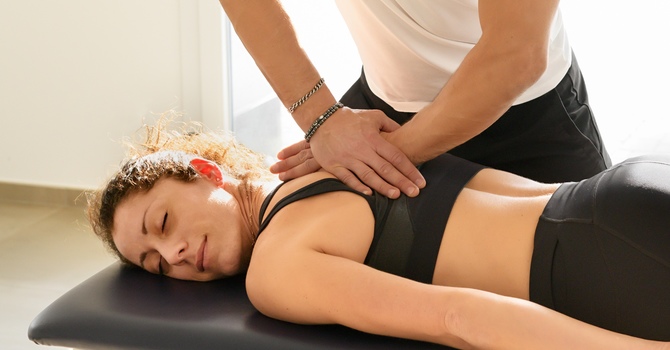
Chiropractic + Hiking
Heavy packs + uneven terrain = spinal compression.
Adjustments help:
-
Reduce inflammation
-
Improve balance
-
Enhance nerve flow
-
Speed recovery
Final Word From Dr. Gerber
Winter hiking is incredible — but only if you respect the terrain and listen to your body.
Gear up, pace yourself, and enjoy the mountains safely.

Jonathan Gerber
Contact Me